P a r t 5 c h a p t e r 5 c o n t e n t s rules for classification.
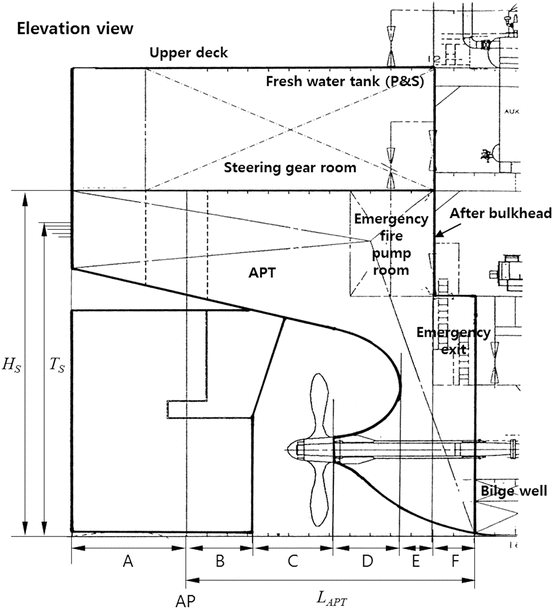
Pump room arrangement in oil tanker.
One pump served the tanks forward of the pump room while the other dealt with the oil from the tanks aft of this pump room.
Slop tank or dedicated reception tank for subsequent discharge ashore.
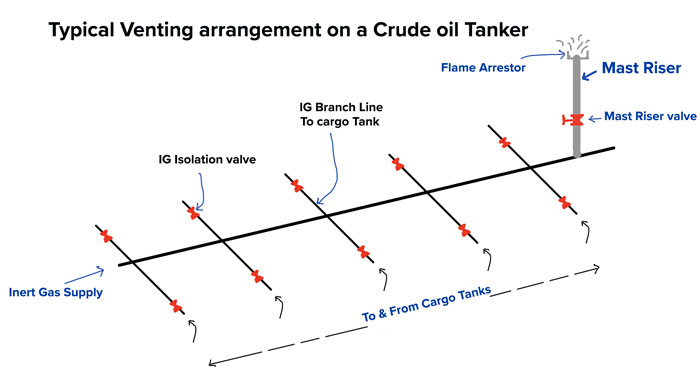
The position of the vent outlet should be arranged at a distance of at least 3 m measured horizontally from any ignition source and from the nearest opening to accommodation service or machinery spaces.
Gas extraction valve 02 50 avss automatic vacuum stripping s.
But one notable feature in oil tankers that is not found in other types of ships is the pump room that is usually located just forward of the engine room.
Some of the more simple types with their engines amidships provided pumps in the engine room to handle the cargo or alternatively the mainline was extended the length of the machinery spaces to feed the pumps housed in a.
Oil tanker pump rooms.
Driven by a steam turbine.
Cargo pump rooms should be mechanically ventilated and the capacity should be 20 air changes per hour of the total volume of the pump room.
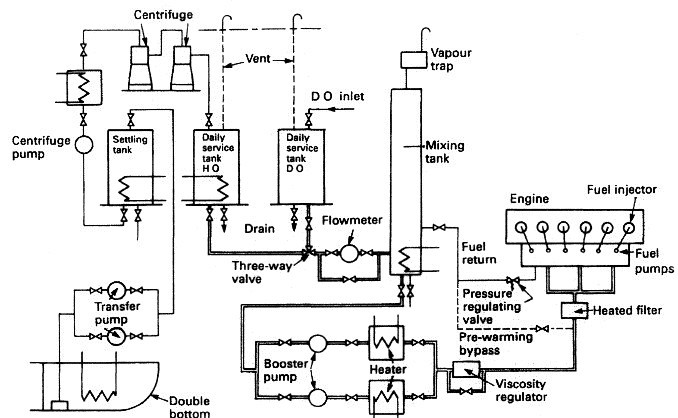
Located in the pump room the system comprises of a number of pumps including.
The engine room and superstructure as usual are located at the aft.
Pump room arrangements should be established to enable effective communication to be maintained at alltimes between personnel within the pumproom and those outside.
A pump room onboard an oil tanker contains the largest concentration of cargo pipelines of any space within the ship and leakage of a volatile product from any part of this system could lead to the rapid generation of a flammable or toxic atmosphere the operation of a pump room thus involved numerous hazards.
Eductors steam reciprocating pumps screw pumps and centrifugal pumps working as a cargo oil pump.
The pump room houses all the pumps required for cargo oil loading and discharge.